Is Storing Luggage In Tokyo Safe? Caps, Rules And What Actually Protects A Bag
Left bags in Tokyo face low documented theft risk, but liability caps are the real issue, but safe is a legal word as much as a crime word. Here is what the operators' own terms actually promise, and where the protection stops.
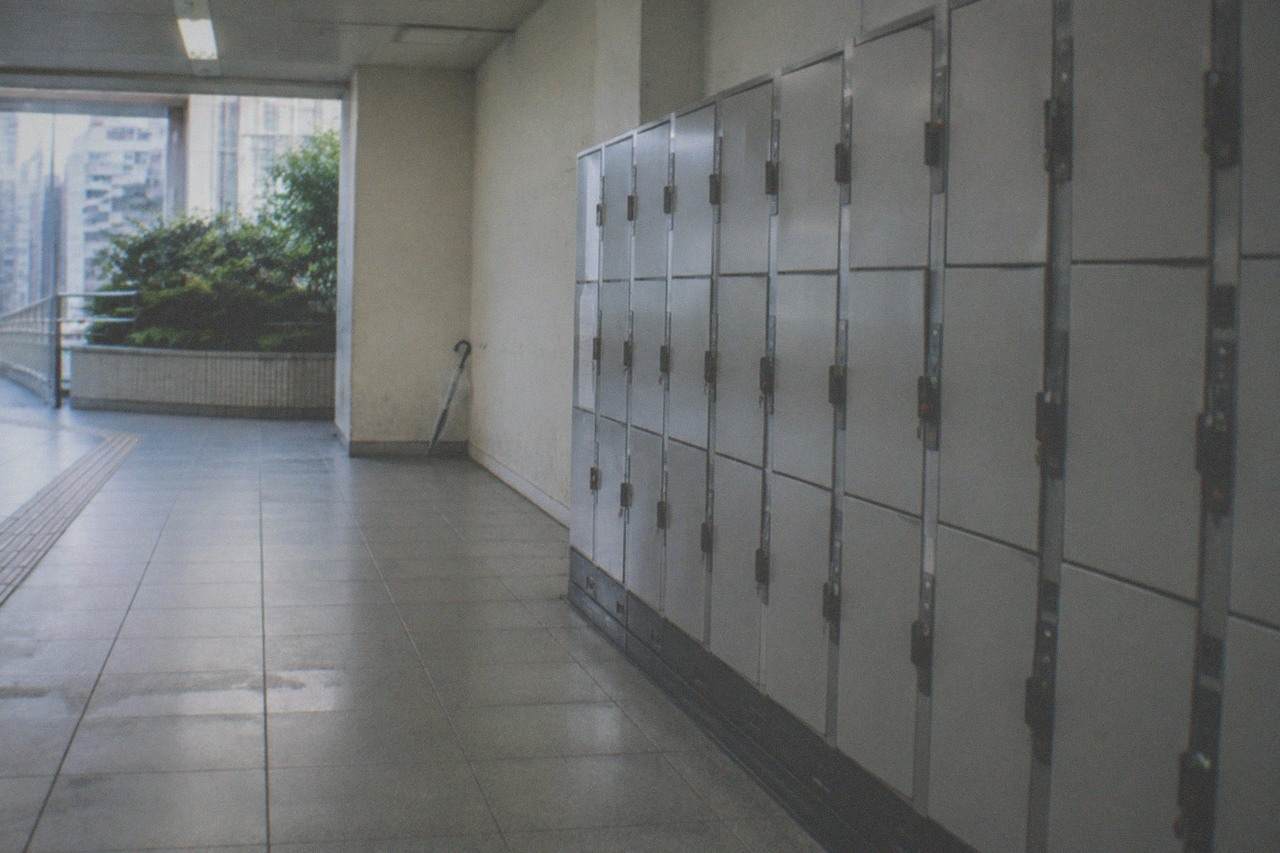
Short answer
Yes, with limits. Coin locker operators cap their liability at 30,000 yen per locker, and Japanese consumer law stops that cap wiping out liability entirely. Radical Storage's Tokyo points carry a guarantee that is not insurance, capped at EUR 3,000 per claim. The real risks are overstay rules and lost keys, not theft.
Safety questions about stored luggage in Tokyo come in two very different flavours. The first is the traveller's instinct: will someone walk off with the suitcase? On that question Tokyo's lockers are steel, keyed and in busy station corridors, and the practical answer is reassuring. The second question is the one almost nobody asks until it is too late: if something does go wrong, what does the operator's own contract actually owe you? That answer is written down, it is smaller than most visitors expect, and it is worth reading before the bag goes into the slot.
This guide works through both. It uses the operators' own published terms, the rail companies' own tariff pages, and the site's verified record of Tokyo storage options, and it names Radical Storage openly wherever a staffed storage point is discussed, because a reader handing a stranger their suitcase deserves to know whose guarantee sits behind the counter.
Are Luggage Lockers In Japan Safe?
Against theft and tampering, coin lockers in Japan are about as safe as unattended storage gets. Operators cap their contractual liability at 30,000 yen per locker, terms forbid storing anything worth that much, and Japanese consumer law stops a blanket no-responsibility clause from extinguishing liability entirely. The likelier risk is losing your key, not a thief.
Japan's lockers are heavy steel, in corridors with constant foot traffic, often under camera coverage, and inside ticket gates at many stations. Opportunistic locker break-ins are rare enough that English-language coverage of Japan travel rarely mentions one at all. That is not the same as zero risk, and the honest framing is that theft is the risk you are least likely to meet.
The risk you are more likely to meet is procedural. Tokyo Metro's locker operator, Metro Commerce, publishes terms that say the rental period runs to four days including the start day, that a day is added at 2 a.m., and that after the period expires the contents are moved to a separate holding area where the same daily rate keeps running. JR East Smart Logistics, the Multi Ecube operator, is materially identical but sets three days, and its own terms add that paying more does not extend the period. Those rules, not crime, are how locker storage goes wrong. The full mechanics are covered in how long you can leave luggage in Tokyo.
A last point on the theft question: the terms forbid storing valuables, cash, cameras, and anything worth 30,000 yen or more. That ban and the liability cap are the same number, and that is not a coincidence. The contract never contemplates compensating you for a valuable, because a valuable was never allowed in. A laptop belongs in a staffed facility or on your person, not in a locker.
How Much Are You Actually Protected For If A Locker Fails?
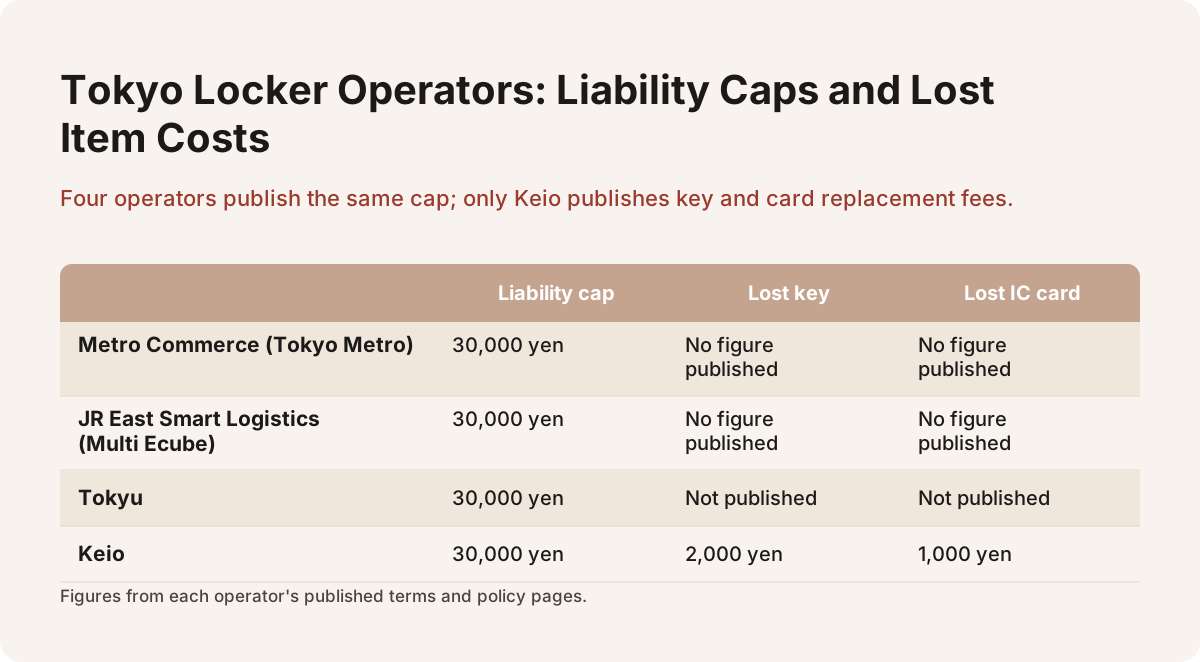
Four operators, Tokyo Metro, JR East Smart Logistics, Tokyu and Keio, each publish an identical cap: 30,000 yen per locker for loss or damage where the operator is at fault. It is a contract term, not Japanese law. The Consumer Contract Act voids total exemption clauses, and the Commercial Code applies a duty of care even to free storage, but no statute promises to make you whole.
That 30,000 yen figure is worth seeing in the operators' own words. Metro Commerce's locker terms state that where the company's responsibility for loss or damage is confirmed, compensation is limited to 30,000 yen. JR East Smart Logistics publishes the same cap in its own terms, and Keio publishes it alongside something the others do not: named amounts for a lost key, 2,000 yen, and for a lost IC card or receipt, 1,000 yen, on its locker clause page.
Two legal points sit behind the caps, and they cut in the reader's favour. The Consumer Contract Act, Article 8, voids a contract clause that totally exempts a business from liability. The Commercial Code, Article 596, means a posted notice saying the operator takes no responsibility does not exempt a business that accommodates customers on its premises, and Article 595 applies a duty of care even where storage is free. You can read the Consumer Contract Act text on the e-Gov legal portal. The honest summary: a cap is enforceable, a total waiver is not, and neither substitutes for travel cover for anything genuinely valuable.
| Operator | Liability cap | Lost key cost | Lost IC card or receipt | Source |
|---|---|---|---|---|
| Metro Commerce (Tokyo Metro) | 30,000 yen | Prescribed amount, no figure published | Prescribed amount, no figure published | Operator terms |
| JR East Smart Logistics (Multi Ecube) | 30,000 yen | Prescribed amount, no figure published | Prescribed amount, no figure published | Operator terms |
| Tokyu | 30,000 yen | Not published | Not published | Operator policy page |
| Keio | 30,000 yen | 2,000 yen | 1,000 yen | Operator clause page |
One open conflict is worth knowing about rather than resolving. The Multi Ecube terms say the IC card you paid with is required at retrieval, while the same operator's FAQ says the printed retrieval ticket unlocks the door regardless of how you paid. Both are current official pages. The safe line: keep the paper ticket.
What Can You Legally Put In A Locker, And Why Does The List Matter?
Locker terms forbid cash, securities, jewels, precious metals, cameras, and anything worth 30,000 yen or more, plus perishables, anything 30 kg or heavier, and living creatures. If a prohibited item is lost, the terms say you get nothing even where the operator was at fault. The list is the real boundary of locker safety.
The prohibited items list is long and, on first reading, odd. Corpses, stolen goods, firearms and blades are on it, as are toxic, volatile or explosive goods and anything malodorous. The entries that matter to a traveller are the quiet ones: cameras, valuables, anything worth 30,000 yen or more, anything that spoils or breaks easily, and anything 30 kg or heavier.
Read together with the cap, the list tells you how the operators think about risk. A locker is designed for clothes, souvenirs, a packed duffel and the kind of bag nobody wants to carry. It is not designed for a laptop, a camera body, medication you cannot replace, or documents. Those items are better placed at a staffed point where a person takes custody, or carried.
The weight rule catches people with large hard-shell suitcases. A checked suitcase packed dense can pass 30 kg, and the terms make that an unsuitable item rather than a safety problem. If the case is heavy as well as valuable, a locker is the wrong tool twice over.
| Item | Coin locker | Staffed storage point | Recommendation |
|---|---|---|---|
| Clothing and shoes | Allowed | Accepted | Locker is fine |
| Souvenirs and packaged food | Allowed, perishables excluded | Accepted | Locker is fine |
| Laptop or tablet | Forbidden by value rules | Generally accepted, ask at drop-off | Staffed point or carry |
| Camera equipment | Forbidden by value rules | Generally accepted, ask at drop-off | Staffed point or carry |
| Cash and passports | Forbidden | Generally refused too | Hotel safe or body carry |
| Case over 30 kg | Forbidden as unsuitable | Size tiers apply at baggage rooms | Weigh first |
How Safe Are Staffed Luggage Storage Points In Tokyo?
Staffed points put a named human between you and the bag, and the better Tokyo areas carry strong review pools: Tokyo Station points are rated 4.89 across 213 reviews, Shibuya 4.75 across 163, and Harajuku 4.93 across 38. Radical Storage's guarantee is not insurance, its own terms say it can be withdrawn, and payouts are capped at EUR 3,000 per claim.
Every storage point this site recommends is a Radical Storage partner location, and this site neither owns nor operates any of them. Naming the network is the honesty requirement: a reader is handing their suitcase to a shop or hotel front desk, and the guarantee that stands behind it is Radical Storage's, not the shop's and not this site's.
That guarantee needs precise wording. Radical Storage's own terms, clause 9.2.2, state it is not insurance, and clause 9.2.1 lets them withdraw it at any time. Clause 9.4 caps payouts at EUR 3,000 per claim. The headline guarantee figure is only ever meaningful alongside that cap, and the cap stays in euros because that is how the terms state it. A reader who wants genuine insurance for a valuable bag needs a travel policy, not a storage guarantee.
The review picture is uneven and worth reading honestly. Tokyo Station's points carry 4.89 across 213 reviews, which is a real pool. Harajuku's 4.93 comes from 38 reviews, which is strong but small. Radical Storage's 648,000 review figure is a global network total, identical across cities, and says nothing about Tokyo; the real Tokyo total is 2,758 reviews across 249 points, and 111 of those points hold no reviews at all. A point with no reviews is not a bad point, it is an unrated one.
Price transparency at staffed points is uniform across Tokyo: 850 yen per bag per day for a regular bag, plus a 355 yen per-bag fee charged once at checkout. One bag for one day is 850 plus 355, which is 1,205 yen, presented here as arithmetic on Radical Storage's own published figures. Radical Storage advertises from 490 yen a day, but that is a small-bag rate found at 11 of the 249 Tokyo points. A card showing 750 yen is the small-bag rate a staffed point displays, not a cheaper regular-bag price; the like-for-like figure is 850.
Which Tokyo Stations And Districts Are Best For A Safe Drop-Off?
Tokyo Station, Shinjuku, Ueno and Akihabara carry the deepest staffed coverage: Tokyo Station has 3 points rated 4.89 across 213 reviews, Ueno 8 points at 4.87 across 285, Akihabara 9 points at 4.88 across 171. Asakusa has the widest choice of all, 13 points at 4.85 across 268, with the nearest just 193 m from the station.
Depth of coverage matters for safety in a practical way: a single point can be full, closed for the day, or awkwardly placed, and a cluster gives you a walkable alternative. Tokyo Station's three staffed points are backed by seven attended JR East baggage rooms in the station itself, at 500 to 2,000 yen per bag per day by size with a 30-day maximum, which makes Tokyo Station the most redundant storage district in the city. Sibling detail on the JR East baggage rooms and their terms is in where to store luggage in Tokyo for a few hours.
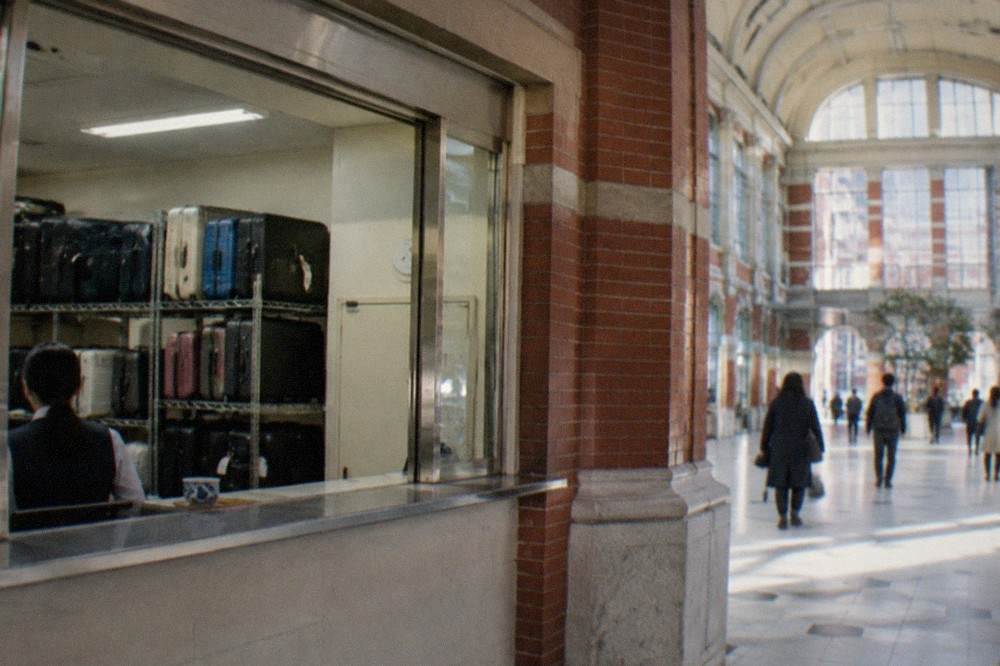
The runner-up clusters are strong. Shibuya lists 7 points at 4.75 across 163 reviews, 5 of them coin lockers and 3 listing 24-hour access. Shinjuku lists 8 points at 4.75 across 384, the largest review pool of any area on file. Ikebukuro has 10 points, Akihabara 9, and Roppongi's 3 points carry a 4.88 rating across 47 reviews. For airport readers: no storage point sits inside any terminal at Narita or Haneda, the nearest to Narita is about 6.0 km away in Tomisato, Chiba, and the nearest to Haneda about 3.4 km away in Kawasaki, Kanagawa. The airport's own attended counters are the safer terminal choice, and they are covered in Narita to Tokyo with luggage.
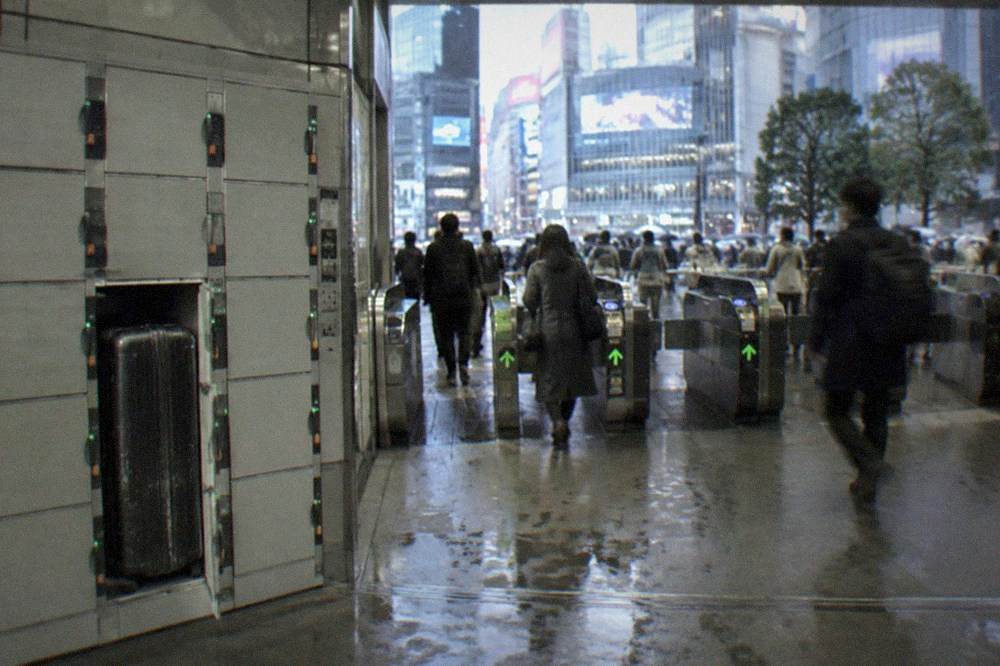
Hours are not uniform, so never assume. Of the 249 Tokyo points, 146 are not open 24 hours, even though area pages often carry 24/7 in their titles. A staffed point that closes at 20:00 and holds your bag overnight is a different proposition from one staffed 24 hours a day. Check the hours for the specific point before you drop, not the area headline. The rest of the planning pages sit on Luggage Storage in Tokyo.
What Happens To A Bag Left Too Long, And Does That Count As Unsafe?
Overstay is where stored luggage in Tokyo actually goes wrong. After the locker period ends, the operator opens the locker, moves the contents to a holding area, and charges the same daily rate for up to 30 days, after which ownership is deemed abandoned. Collection needs the receipt, photo ID and the IC card you paid with, and the holding fee is cash only.
The sequence, published by Metro Commerce in its terms and mirrored by JR East Smart Logistics, is mechanical rather than punitive. The bag is inspected, moved to a designated place, and held for 30 days counted from the original rental start date. The daily rate keeps running the whole time. Your travel costs to collect it are yours. After 30 days, the contents are deemed abandoned, the operator may dispose of them, and may bill you for the disposal. JR East disposes of food immediately with no 30-day grace.
The day-counting rules are easy to trip on. The locker period runs from first train to last train, a day is added at 2 a.m., and the first and last days each count as a whole day however briefly you used them. Metro Commerce allows four days including the start day; Multi Ecube allows three, and paying more does not extend it. One open on a Multi Ecube locker ends the rental, and a multi-day reservation is forfeited with no refund; a reopen button gives 15 minutes of grace and no more.
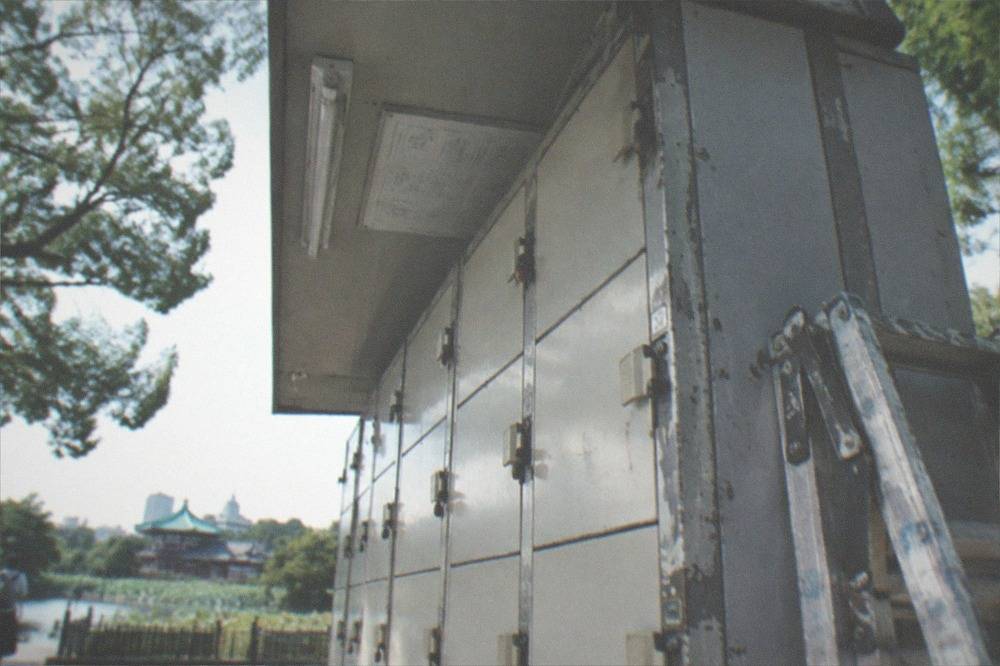
None of this is a safety failure in the theft sense. It is the storage equivalent of a parking fine, and it is avoidable with one habit: set a phone reminder for the collection deadline the moment you close the locker door. If you know your day count will exceed the maximum, a staffed point with longer maximums, or takuhaibin, luggage forwarding, is the better plan from the start. Forwarding fares are real and published, but no transit time could be sourced for any lane, so never rely on a delivery time promise.
How Do Venue Rules Change The Safety Picture?
Tokyo venues are the reason many bags need storage at all, and their rules are stricter than the city's. Skytree refuses any item with a side over 60 cm at the gate, teamLab Borderless prohibits items over 50 cm, the Tokyo National Museum's Japanese page refuses suitcases from the grounds, and Disney parks ban suitcase carts resort-wide.
Venue rules matter to safety planning because they are enforced at entry, sometimes by inspection, and because the venue's own storage offer may be weaker than a locker. At teamLab Planets, oversize bags are wire-locked in an open stroller area rather than placed in lockers, which is materially weaker custody. At Tokyo Skytree, the two alternatives the venue itself names are the Skytree Town coin lockers or the Sagawa counter in Solamachi, which charges 800 to 1,300 yen per day by size.
The Asakusa case is the sharpest recent change. The Asakusa Culture Tourist Information Center terminated its luggage storage service on 31 March 2026, and Taito City's own page dates the closure and explains it, citing traveller suitcases as one cause of street congestion. Live English travel content still tells readers the service exists. Asakusa's real storage depth now sits in the Radical Storage cluster: 13 points at 4.85 across 268 reviews, the nearest 193 m from the station, plus a Sagawa counter near Kaminarimon charging a published 800 yen per day with no size tiers.
The Asakusa closure is a reminder that the venue picture in Tokyo moves. Tokyo Station's porter service ended on 31 March 2025, and JR Shinjuku and JR Ikebukuro had baggage rooms in 2018 and 2019 that are absent from the operator's live list today. Old blog posts are not a safety source. The operator's own pages are.
Lockers Versus Staffed Points: Which Is Safer For Your Bag?
For a cheap, unattended, few-hour drop of ordinary belongings, a coin locker is genuinely safe and often cheaper: Tokyo Metro lockers run 300 to 1,000 yen a day on one network-wide price ladder, against 850 yen plus a 355 yen once-per-bag fee at staffed points. For valuables, oversize bags or multi-day stays, staffed custody wins on every measure except price.
The comparison deserves the full table, because the honest answer changes with the bag.
| Factor | Coin locker | Staffed Radical Storage point | Station baggage room |
|---|---|---|---|
| Typical price | 300 to 1,100 yen per day by tier and operator | 850 yen per bag per day plus 355 yen once | 500 to 2,000 yen per bag per day by size |
| Maximum stay | 3 days (Multi Ecube) or 4 days (Tokyo Metro) | Set by the point's own terms | Up to 30 days at JR East rooms |
| Liability | 30,000 yen contractual cap | Radical Storage guarantee, not insurance, capped at EUR 3,000 per claim | Operator terms vary, ask at drop-off |
| Oversize bags | Depth is the binding limit, about 34 to 35 cm | Accepted at staffed points, size tiers may apply | Size tiers up to 200 cm and beyond |
| Valuables | Forbidden by the terms | Ask at drop-off, guarantee applies | Ask at the counter |
| Lost proof | Lost key costs money, contents held under overstay rules | Booking reference | Receipt and ID required |
The locker dimension that decides whether a suitcase fits is depth, not width. A Toei large locker is 34.2 cm deep and a JR East L tier is 34 cm, which is the constraint on a hard-shell case, and the JR East LW tier, 86 by 56 by 65 cm, is the only common tier that takes a wide checked case lying flat. Full tier dimensions are in the Tokyo coin locker sizes guide.
One habit closes most of the remaining gap wherever you store. Photograph the locker number or take the staffed point's receipt the moment the bag leaves your hand, and put the collection deadline in your phone. The overwhelming majority of Tokyo storage problems documented in operator terms are procedural, and every one of them is preventable at drop-off.
Tokyo rewards the traveller who matches the bag to the system rather than defaulting to one. A daypack for three hours is a locker question. A checked suitcase with a laptop inside is a staffed question. A bag that needs to survive a week is a forwarding or baggage-room question. Storage in this city is safe at every one of those levels, provided you read the numbers before you close the door.
Common Questions About Luggage Storage Safety In Tokyo
Are luggage lockers in Japan safe?
Yes, against theft they are among the safest unattended storage options anywhere. Operators cap liability at 30,000 yen per locker, valuables are forbidden by the terms, and Japanese consumer law stops a total no-responsibility clause from standing. The likelier risks are overstaying the period or losing your key or ticket.
Is my bag insured in a Tokyo coin locker?
No. Locker operators offer a contractual liability cap of 30,000 yen where they are at fault, not insurance. Because the terms forbid storing anything worth 30,000 yen or more, a prohibited item is owed nothing even where the operator was at fault. Travel insurance, not a locker, covers a valuable bag.
How much are luggage lockers in Tokyo?
At Tokyo Metro stations the prices are the same at every station: 300, 500, 600, 900 and 1,000 yen per day by door size. JR East lockers vary by station, roughly 300 to 1,100 yen per day, with a 500 yen surcharge to reserve in advance. Staffed Radical Storage points cost 850 yen per bag per day plus a 355 yen once-per-bag fee, so one bag for one day is 1,205 yen.
What happens if I lose my coin locker key in Tokyo?
Staff open the locker and verify the contents. Keio publishes a 2,000 yen charge for a lost key and 1,000 yen for a lost IC card or receipt; Metro Commerce and JR East Smart Logistics name a prescribed amount without publishing a figure. Keep the paper retrieval ticket, since the Multi Ecube FAQ says it unlocks the door regardless of how you paid.
Can I leave valuables in a Tokyo coin locker?
The terms forbid it. Cash, securities, jewels, precious metals, cameras and anything worth 30,000 yen or more are all prohibited, as are perishables, items 30 kg or heavier, and living creatures. If a prohibited item is lost, the terms pay nothing even where the operator was at fault. Use a staffed point or a hotel safe.
Is Radical Storage in Tokyo safe to use?
Every Radical Storage point in Tokyo is a real partner location, a shop or front desk, and this site neither owns nor operates any of them. Tokyo Station's points carry 4.89 across 213 reviews and Shibuya 4.75 across 163. The guarantee is not insurance, the terms allow it to be withdrawn, and payouts are capped at EUR 3,000 per claim.