Narita To Tokyo With A Suitcase: Skyliner Luggage, Storage And Forwarding
The Keisei Skyliner puts a suitcase in Tokyo in under an hour, but the real luggage decision happens before boarding: carry it, park it at Narita, or forward it to a hotel and travel empty-handed.
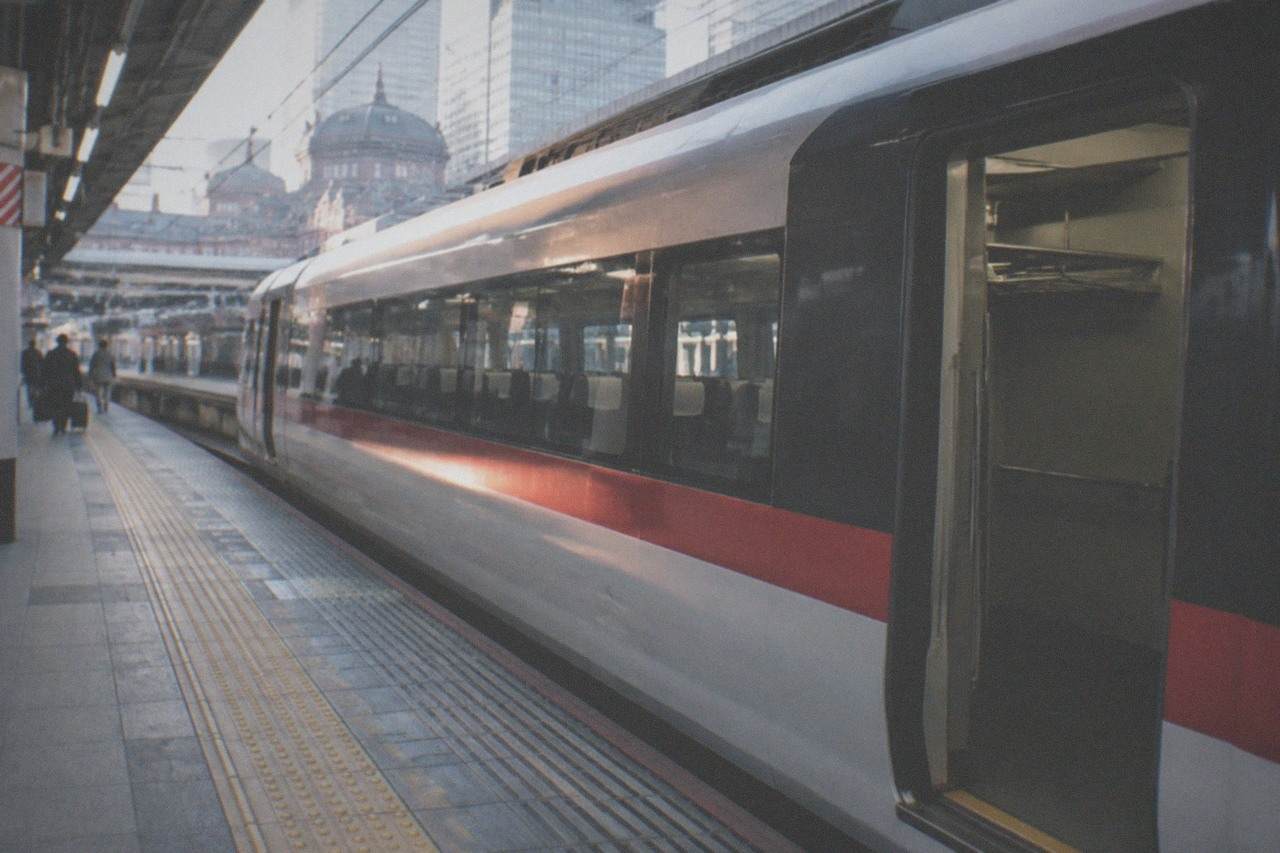
Short answer
A suitcase can ride with you on the Skyliner to Keisei-Ueno, where Ueno Station holds 8 Radical Storage points at 4.87 across 285 reviews, 127 Tokyo Metro locker doors and a JR East baggage room at 500 yen per day. Forwarding from Narita runs 2,120 to 4,690 yen to central Tokyo hotels if you book before the 14:00 cut-off.
Can You Bring A Suitcase On The Keisei Skyliner From Narita To Tokyo?
Yes. The Skyliner is a reserved-seat airport train, and the operator's published material sets no size rule that turns a suitcase away at boarding. The luggage question that actually decides your day is not the ride itself, it is the Ueno end: Keisei-Ueno sits beside Ueno Station, where 127 Tokyo Metro locker doors, a JR East baggage room and 8 Radical Storage points all compete for your bag within a few hundred metres.
The Skyliner runs between Narita Airport and Keisei-Ueno, on the edge of Ueno Park and a short walk from JR Ueno Station. Because every seat is reserved, a suitcase travels with you rather than being wrestled onto a commuter train, and that single fact is why the Skyliner attracts luggage questions more than almost any other Tokyo rail topic. The train does the hard part. What follows at ground level in Ueno is where planning pays off.
What the arrival looks like matters too. Keisei-Ueno is a terminus, not a through-station, so you step off with your bag onto a platform level with the street exits, and from there the whole Ueno storage landscape opens up within one block. Readers who want the train-by-train baggage rules in detail can go deeper in can you bring luggage on a Keisei Skyliner, while this guide stays on the money question: what each way of handling the bag costs, and where it leaves you.
One honest limitation up front. Keisei publishes no size refusal rule for the Skyliner itself, and this page will not invent one. What it did find, and what the rest of this guide uses, is the full price record for every alternative waiting at either end of the line: airport counters, airport lockers, forwarding services with real cut-off times, and the storage clusters at Ueno, Skytree and Shinagawa.
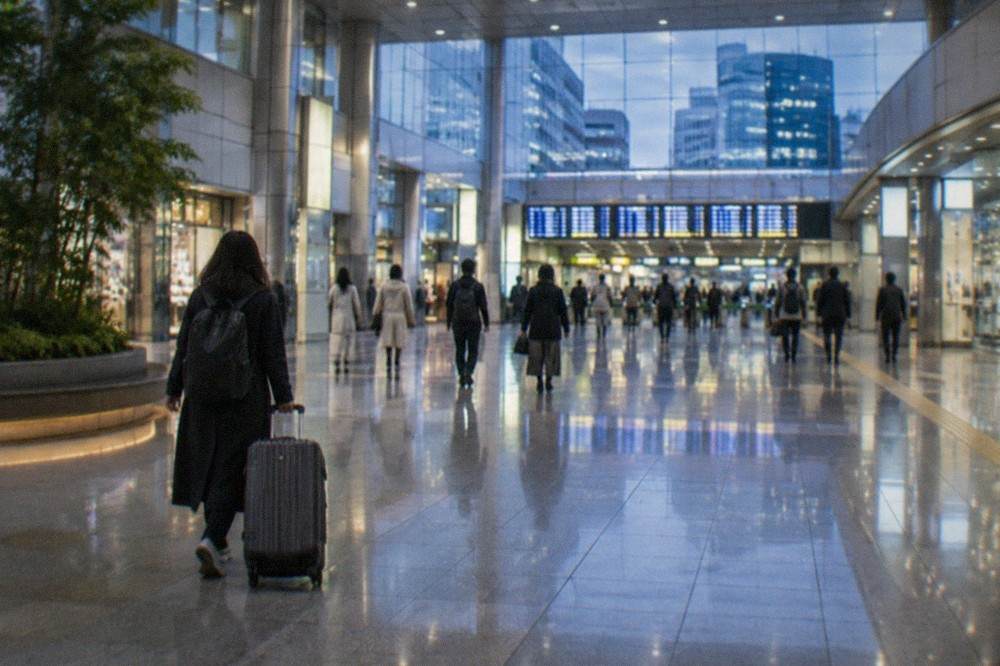
Leave The Bag At Narita Instead: Eleven Counters, Three Prices
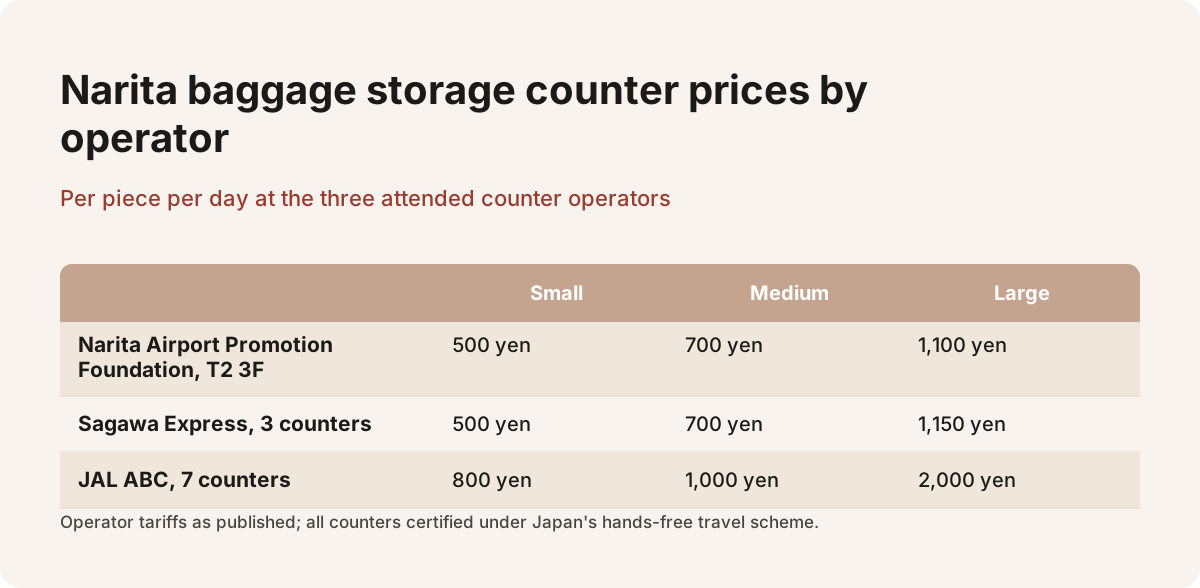
Narita has eleven attended baggage-storage counters, all in Terminal 1 and Terminal 2, and not one in Terminal 3. Prices start at 500 yen per piece per day at the Narita Airport Promotion Foundation desk and Sagawa, and reach 2,000 yen at JAL ABC for a large item. Every counter is certified under Japan's hands-free travel scheme.
If the plan is to come back for the bag, or to store it while taking a side trip before flying on, the airport itself is the cheapest attended storage on this route. Three operators run the eleven counters, and their published tariffs differ enough to be worth checking before you queue. JAL ABC runs seven counters, Sagawa Express runs three, and the Narita Airport Promotion Foundation runs one, on Terminal 2's third floor, open 06:30 to 22:00. The Foundation desk is the cheapest attended storage at Narita, at 500 yen small, 700 yen medium and 1,100 yen large, paid on collection.
| Operator at Narita | Small | Medium | Large | Size rule |
|---|---|---|---|---|
| Narita Airport Promotion Foundation, T2 3F | 500 yen | 700 yen | 1,100 yen | Under 115 / 160 / over 161 cm, 3-side total |
| Sagawa Express, 3 counters | 500 yen | 700 yen | 1,150 yen | Under 100 / 160 / 200 cm |
| JAL ABC, 7 counters | 800 yen | 1,000 yen | 2,000 yen | Envelope / suitcase / ski and snowboard sizes |
Sagawa's counters at Narita are also newly expanded. The operator's own notices record a new counter at Terminal 1 south fourth floor opened on 2026-09-01, and two more opened on 2026-07-22 at Terminal 1 north first floor and Terminal 2 first floor. An airport whose storage map changed twice in one summer is an airport worth re-checking rather than trusting an old blog post. JAL ABC takes payment on collection, in yen cash or credit card, and charges by calendar day, so a part-day is a full day. Narita's own facility page publishes no prices itself and points you to each operator, which is why the table above comes from each operator's own site.
Coin lockers at Narita run 400, 600 and 800 yen per day with a stated maximum of 8 days, and the Multi Ecube locker bank at Terminal 2 basement first floor charges 400 to 1,200 yen per day with a 500 yen reservation surcharge. The day boundary at Narita's standard lockers is midnight, and the Multi Ecube day rolls at 02:00.
The honest note about Radical Storage here: the network has no storage point inside any Narita terminal. Its nearest point to the airport is about 6.0 km away in Tomisato, Chiba. Radical Storage lists four points in the airport area overall, all staffed rather than automated, carrying a 5.0 rating from just 2 reviews on Radical Storage's own platform, a small pool worth naming honestly. The Narita-airport cluster suits drivers and nearby-stay guests, not terminal drop-offs; for a terminal handover the airport's own counters above are the real option. Anyone flying out of Haneda instead faces a different picture, covered in Haneda to Tokyo with a bag.
The three areas compared above cover the three most common shapes of a Narita arrival: the airport itself for a bag you will collect on the way back out, Skytree for the sightseeing day that cannot take a suitcase through the door, and Shinagawa for the southbound hotel leg. Each has its own price ladder and its own honest weaknesses, and the rest of this guide works through them in the order the route actually delivers them to you.
Forward The Bag Instead: Takuhaibin From Narita With Real Cut-Offs
Forwarding a suitcase from Narita to a Tokyo hotel costs 2,120 to 4,690 yen by Sagawa if you hand it over before the 14:00 cut-off, delivered from 16:00 to hotels in ten Tokyo wards plus Urayasu. Yamato's Narita same-day service uses an earlier cut-off, 10:30 in Terminals 1 and 2 and 09:50 in Terminal 3, with delivery between 18:00 and 21:00.
Takkyubin, luggage forwarding, is the option that turns the Skyliner ride into something better: a train journey with no suitcase at all. Hand the bag to a counter or an airport delivery desk, ride into town with a daypack, and the case meets you at the hotel. The fares are published and worth comparing by suitcase size. Sagawa charges 2,120 yen for a case up to 60 cm, 3,390 yen for a suitcase up to 140 cm and 4,690 yen up to 200 cm, from Narita to hotels in ten central Tokyo wards plus Urayasu, with handover by 14:00 and delivery from 16:00. Sagawa's own Narita counter page carries the current table.
Yamato runs a same-day Narita service too, with the cut-offs above and a delivery window of 18:00 to 21:00 to an address in eight prefectures, not only hotels. One asymmetry matters for the flight home: Yamato states plainly that it does not deliver city to Narita same day, while Sagawa does, at 2,120 to 3,650 yen with handover by 11:00. If the plan is to forward a bag to the airport for the outbound flight, Sagawa is the operator that publishes that lane.
What no forwarding operator publishes, and what this site will not invent, is a guaranteed transit time for personal customers. Yamato publishes delivery times only through an interactive postcode tool, and no public service table exists, so any blog promising a specific number of days is filling a gap the operators leave open. The delivery windows above are the operators' own published windows, and they are the honest limit of what can be said.
Forwarding pairs well with the return leg as well as the arrival leg. Travellers continuing past Tokyo can send the case onward; the same operators run Tokyo to Kyoto lanes at 2,170 yen for a 120-size case, a route unpacked in sending luggage from Tokyo to Kyoto.
The Ueno End: Where The Skyliner Actually Leaves Your Bag
Keisei-Ueno arrives within walking distance of Ueno Station, where the choices are wide: 8 Radical Storage points at 4.87 across 285 reviews, the nearest 171 m from the station, 127 Tokyo Metro locker doors, and a JR East Logistics baggage room inside the Park Gate charging 500 yen for a small bag with a 30-day maximum.
The Skyliner's Tokyo terminus is the quiet hero of this route for luggage. Ueno is one of the few Tokyo stations where every storage type coexists in one compact area. The Radical Storage network lists 8 points near Ueno Station, all of them staffed shops and businesses rather than automated lockers, with the nearest 171 m from the station and an area rating of 4.87 across 285 reviews on Radical Storage's platform. At 850 yen per bag per day for a regular bag plus a 355 yen per-bag fee charged once at checkout, one bag for one day comes to 850 plus 355, which is 1,205 yen on Radical Storage's own published figures.
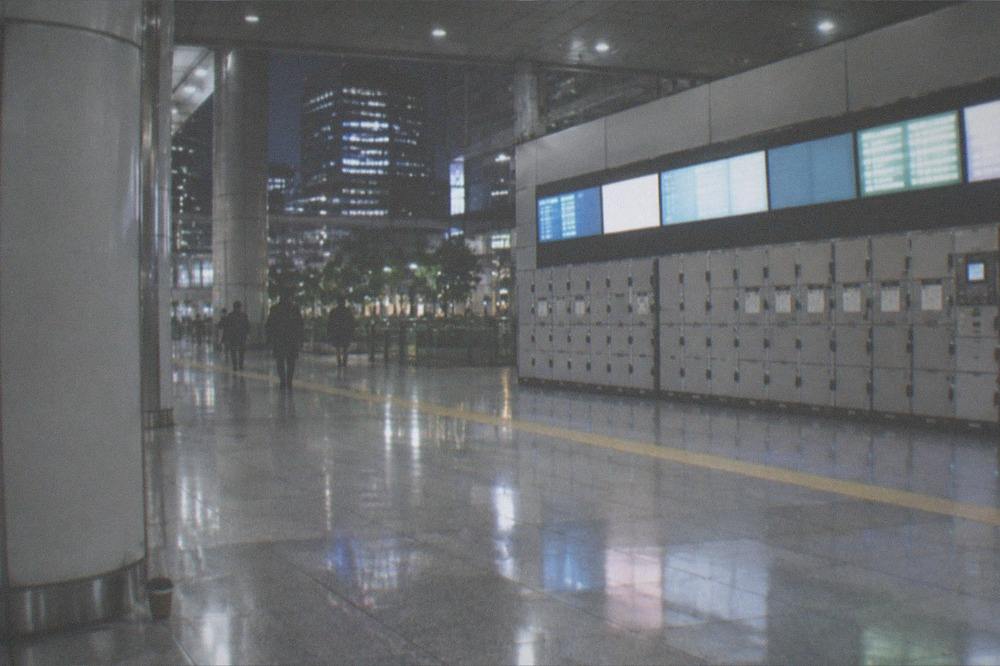
Tokyo Metro publishes 127 locker doors at Ueno, and JR East's own station guide lists locker prices of 300 yen for an SS bank up to 900 to 1,000 yen for the largest, with most banks taking cash and transit IC cards and two banks also taking QR and smartphone payments. The JR East Logistics attended baggage room sits on the third-floor concourse inside the Park Gate, open daily 10:00 to 20:00, charging 500 yen for a bag up to 100 cm, 1,000 yen up to 200 cm and 2,000 yen above that, with a 30-day maximum, per the operator's own baggage service page.
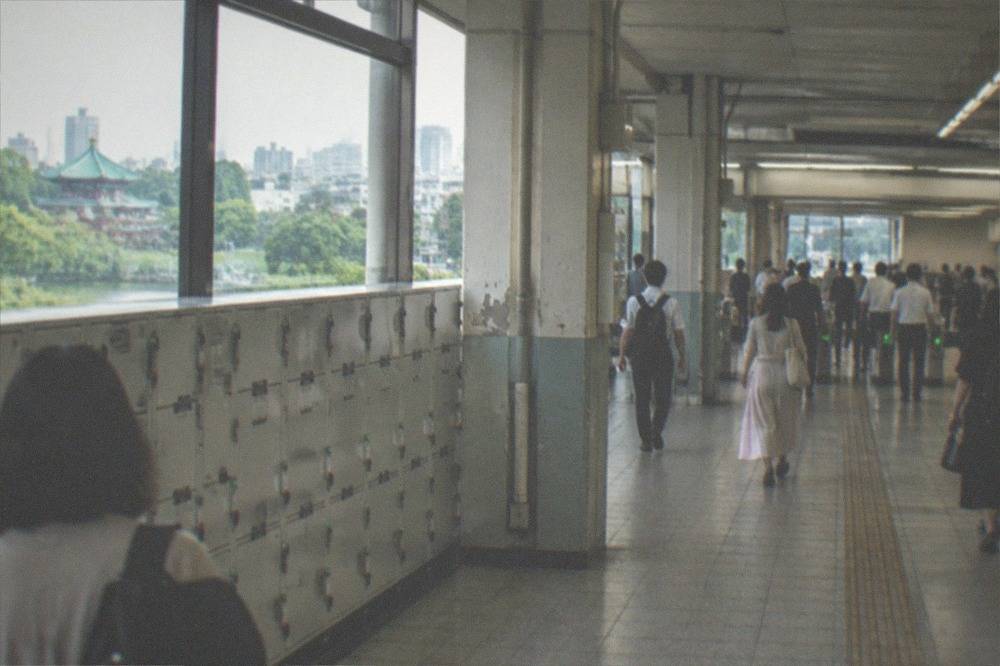
The one nearby service that no longer exists is the one older guides still recommend. The Asakusa Culture Tourist Information Center, a short walk or one stop from Ueno, terminated its luggage storage on 31 March 2026, with Taito City naming traveller suitcases as one cause of street congestion. Live English travel content still lists it. Nearby Asakusa still has storage: the Radical Storage network lists 13 points there at 4.85 across 268 reviews, and Sagawa runs a street-level counter near Kaminarimon at a single 800-yen daily price with no size tiers.
For travellers whose luggage need is a few hours rather than days, the trade-offs across these options are compared in short-hour storage around Tokyo.
Lockers, Baggage Rooms And Storage Points: Which Fits A Narita Arrival?
A coin locker at a Metro station costs 300 to 1,000 yen per day but must be emptied within 4 days including the start day. A station baggage room allows 30 days at 500 to 2,000 yen with staffed hours. A Radical Storage point costs 850 yen per bag per day plus a one-off 355 yen fee. The locker is cheapest for one day, the baggage room wins past day four.
The storage point wins on late hours and pre-booking, and that three-way split is the whole decision for a Narita arrival. The honest comparison needs the fee structure stated in full. Radical Storage charges 850 yen per bag per day for a regular bag across 244 of its 249 Tokyo points, plus a 355 yen per-bag fee charged once at checkout that does not scale with days, so one bag for one day is 850 plus 355, or 1,205 yen. Radical Storage advertises "from 490 yen per day", but that is a small-bag rate found at 11 points only, not the regular-bag figure a traveller with a suitcase pays. There is no hourly tariff; a few hours is billed as a full day. The wider set of guides lives on Luggage Storage in Tokyo.
| Option near Ueno | Price | Max period | Hours | Payment and retrieval |
|---|---|---|---|---|
| Tokyo Metro coin locker | 300 to 1,000 yen per day | 4 days including the start day | First train to last train | IC or cash at the locker; keep the IC card you paid with |
| JR East baggage room, Ueno | 500 / 1,000 / 2,000 yen by size | 30 days | 10:00 to 20:00 daily | Staffed handover with a receipt |
| Radical Storage point, Ueno area | 850 yen per bag per day plus 355 yen once | Per booking | Varies by point; check each point's hours | Booked in advance, staffed drop-off |
The locker duration rule is the trap most travellers never hear about. Tokyo Metro lockers run for a maximum of 4 days including the day you start, the day rolls at 02:00 rather than midnight, and both the first and last days count as whole days however briefly you used the locker. After expiry the operator opens the locker, moves the contents to a separate holding place, keeps charging the same daily rate, and holds the bag for 30 days from the original start date before disposal. Collecting it needs the receipt, photo ID and the same IC card you paid with, and the separate storage fee is cash only. JR East's Multi Ecube lockers run to 3 days, and paying more does not extend the period.
Liability differs too, and it deserves plain numbers. Coin locker liability is capped at 30,000 yen by contract terms at Metro Commerce, JR East Smart Logistics, Tokyu and Keio alike, and lockers forbid storing anything worth 30,000 yen or more in the first place. The Radical Storage Guarantee is not insurance, its own terms say so and allow withdrawal at any time, and payouts are capped at EUR 3,000 per claim. A locker will not make you whole for a laptop, and a laptop was never an allowed locker item.
From Ueno East: Skytree, Solamachi And The 60 Cm Rule
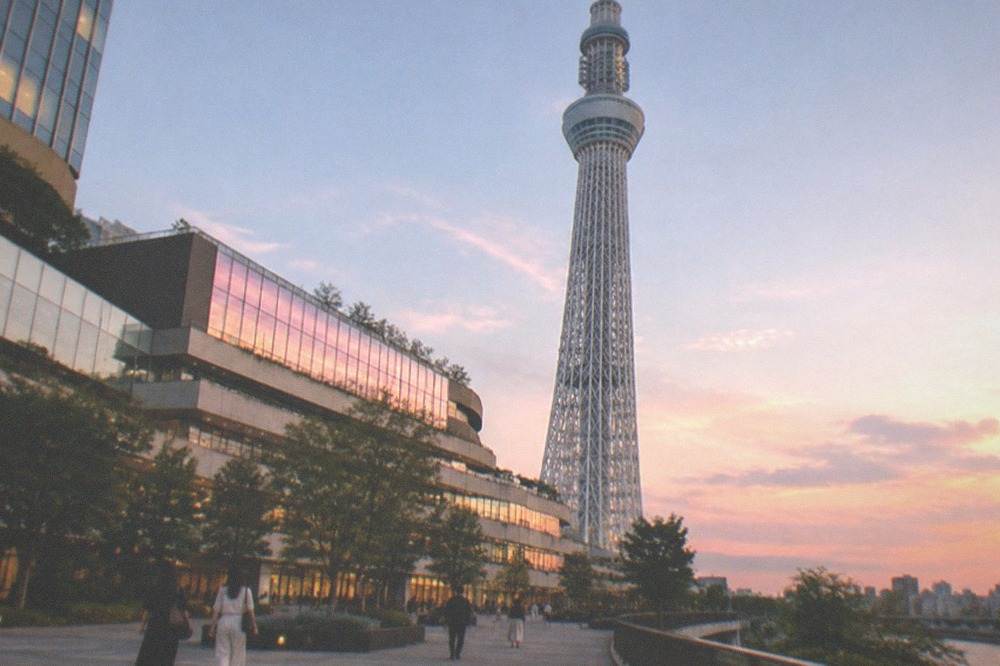
Tokyo Skytree refuses entry to any item with a side over 60 cm, enforced by bag inspection, and has no venue-side cloakroom; the paid alternatives it names itself are Skytree Town coin lockers and the Sagawa counter at Solamachi, at 800 to 1,300 yen per day by size. Radical Storage lists 3 points near Skytree at 4.77 across 132 reviews, the nearest 85 m away.
The Skyliner arrival at Ueno puts you one cheap ride from the east side's biggest draw, and Skytree is exactly the kind of venue that forces a storage decision. A cabin bag around 55 cm gets in; any checked suitcase does not, and the inspection at the entrance applies the rule rather than a sign on a wall. The venue's own guest page states the 60 cm limit and points to the two paid options: lockers in Skytree Town, and the Sagawa counter on Solamachi's first floor, open 10:00 to 21:00 at 800 yen for a case up to 100 cm, 1,000 yen to 160 cm and 1,300 yen above that.
Solamachi's own lockers price out at 300 yen for an extra-small bank up to 1,000 yen for extra-large, with a 100-yen chilled option on top. The Radical Storage alternative near the tower is 3 staffed points, an area rating of 4.77 across 132 reviews on Radical Storage's platform, with the nearest point 85 m from the station approaches, at the same 850 yen per bag per day plus the one-off 355 yen checkout fee.
Heading South Instead: Shinagawa And The Last Leg To The Hotel
Shinagawa Station has a JR East Logistics baggage room inside the Central Gate at 800 yen for a medium bag on weekdays, rising to 1,000 yen on weekends and forced-peak dates, and Radical Storage lists 3 points in the area at 4.45 across 12 reviews, the nearest 1,205 m away. Shinagawa is the weaker cluster of the two, and the honest advice is to solve the bag further north.
Not every arrival runs northeast. A traveller heading to a hotel near Shinagawa, or connecting onward from it, meets a thinner storage map. The JR East Logistics room in Shinagawa's Event Space YK, inside the Central Gate, is open daily 10:00 to 19:00 and closed on 1 January, at 800 yen weekday and 1,000 yen weekend for a medium bag, and 1,600 to 2,000 yen for a large one. The weekday discount does not apply on 27 April to 6 May, 10 to 19 August, or 28 December to 6 January, when peak pricing takes over on weekdays too.
The Radical Storage picture near Shinagawa is the smallest cluster on this route: 3 points, a 4.45 rating across just 12 reviews, and the nearest point 1,205 m out, with 1 locker-equipped point among the three and 2 staffed. Two of the area's points list 24-hour opening, which is genuinely useful for late arrivals, but the honest summary is that Ueno solves a Skyliner bag better than Shinagawa does.
For a traveller deciding between the whole spread of Tokyo neighbourhoods rather than just these two, the wider comparison of Tokyo neighbourhoods for a short stay weighs storage density alongside everything else, and the full city picture sits in the Tokyo luggage storage map.
The Full Route, Priced: What Each Plan Actually Costs
Carrying the bag on the Skyliner costs nothing beyond the ticket but ends with the bag in your hands all day. Storing at Narita costs 500 to 2,000 yen per day at a counter. Forwarding costs 2,120 to 4,690 yen to a central Tokyo hotel. Parking it at the Ueno end costs from 300 yen in a locker or 1,205 yen for one bag and one day at a storage point.
The cheapest plan depends entirely on whether the bag needs to travel with you, and running the arithmetic side by side is the only way to see the shape of the decision. A traveller who forwards the case and stores a daypack at Ueno for the afternoon spends 2,120 yen or more on forwarding plus 300 yen on a small locker. A traveller who carries the case to the hotel and stores nothing spends nothing on storage at all, at the cost of hauling a suitcase through Ueno at rush hour. A traveller landing at Narita with a late hotel check-in and an afternoon in Asakusa spends 1,205 yen at a Radical Storage point in Asakusa, or 800 yen at the Sagawa counter by Kaminarimon.
| Plan for the bag | Cost for one suitcase, one day | Where the bag ends up | The catch |
|---|---|---|---|
| Carry it on the Skyliner | 0 yen in storage | With you, everywhere | It is with you everywhere |
| Narita airport counter | 500 to 2,000 yen | Back at Narita | You return to the airport to collect |
| Forward by Sagawa before 14:00 | 2,120 to 4,690 yen | Your hotel, from 16:00 | Hotels in ten wards plus Urayasu only |
| Metro locker at Ueno | 300 to 1,000 yen | Ueno Station, up to 4 days | Empty it before the day rolls at 02:00 |
| Radical Storage point, Ueno or Asakusa | 850 yen plus 355 yen, 1,205 yen total | A staffed shop near the station | Hours vary by point; a few hours bills as a day |
The last row's arithmetic deserves its own sentence, because the checkout fee is the most commonly missed number in Tokyo storage writing: 850 yen per day plus 355 yen once per bag, never a day rate alone. And one final framing for the flight home: the same choice repeats in reverse, and there Sagawa's city-to-Narita lane, 2,120 to 3,650 yen with handover by 11:00, is the one that publishes same-day delivery where Yamato does not.
For travellers whose real question is not this route but the general decision of parking versus posting, forwarding versus storage in Tokyo works through the whole trade-off, and the takkyubin explained guide covers the forwarding system in depth. The one thing every option on this page shares is Radical Storage's own published pricing structure where it appears, and the guarantee that is not insurance, capped at EUR 3,000 per claim.
Common Questions About Narita To Tokyo With Luggage
Can I bring a suitcase on the Keisei Skyliner?
Yes. The Skyliner is a reserved-seat airport train and no rule in the operator's published material refuses a suitcase at boarding. The practical luggage decision happens at the Ueno end, where lockers, a JR East baggage room and 8 Radical Storage points sit within a short walk of Keisei-Ueno.
Where can I store luggage at Narita Airport?
Narita has eleven attended storage counters in Terminals 1 and 2 and none in Terminal 3. The Narita Airport Promotion Foundation desk in Terminal 2 charges from 500 yen per piece per day, Sagawa from 500 yen, and JAL ABC from 800 yen. Coin lockers run 400 to 800 yen per day with an 8-day maximum.
How much does it cost to forward a suitcase from Narita to a Tokyo hotel?
Sagawa charges 2,120 yen for a case up to 60 cm, 3,390 yen up to 140 cm and 4,690 yen up to 200 cm, with handover by 14:00 and delivery from 16:00 to hotels in ten Tokyo wards plus Urayasu. Yamato's same-day service delivers between 18:00 and 21:00 with earlier cut-offs.
Is there luggage storage near Ueno Station?
Yes, three kinds. Tokyo Metro publishes 127 locker doors at Ueno, a JR East Logistics baggage room inside the Park Gate charges 500 to 2,000 yen per day with a 30-day maximum, and Radical Storage lists 8 staffed points at 4.87 across 285 reviews, the nearest 171 m from the station, at 850 yen per bag per day plus a 355 yen checkout fee.
Can I take a suitcase to Tokyo Skytree after arriving at Ueno?
No, if any side of the case is over 60 cm. Skytree prohibits items with any side over 60 cm, enforced by inspection at entry. The venue itself names the two paid alternatives: Skytree Town coin lockers, and the Sagawa counter at Solamachi at 800 to 1,300 yen per day by size.
What is the cheapest way to handle a suitcase on this route?
Cheapest is usually a Tokyo Metro locker at Ueno, from 300 yen per day, if the bag fits and you collect it within 4 days including the start day. For one bag and one day at a Radical Storage point the total is 850 yen plus 355 yen, which is 1,205 yen. Forwarding costs more, 2,120 yen and up, but removes the bag from the journey entirely.